
Automation has become a defining force in modern work, reshaping how individuals and organizations approach efficiency. At one end of the spectrum are simple task automations—scripts, macros, or Auto Clicker—that eliminate repetitive actions and save time with minimal setup.
At the other end are full automation tools such as robotic process automation (RPA) platforms and AI‑driven bots, capable of orchestrating complex workflows across entire systems.
The challenge lies in knowing when lightweight automation is enough and when enterprise‑level solutions are justified. Striking this balance requires evaluating scalability, cost, governance, and risk.
Understanding where to draw the line ensures automation empowers productivity without creating dependency or unnecessary complexity.
Table of Contents
The Rise of Lightweight Automation
Not every repetitive task requires a sophisticated automation framework. Many daily workflows involve actions that are predictable, consistent, and mechanical—especially those centered around clicking, typing, or navigating interfaces.
Simple automation focuses on removing friction from these small tasks without changing the broader system. It doesn’t attempt to redesign workflows; it quietly supports them.
What Counts as a Simple Task?
A simple task usually has three defining characteristics:
● It follows the same steps every time
● It doesn’t require decision-making
● It relies on basic user input like clicks or keystrokes
Examples include refreshing dashboards, confirming dialogs, or repeating the same in-game action. Automating these tasks delivers immediate relief without introducing complexity.
When Simple Automation Works Best?
Lightweight automation shines when setup speed matters more than long-term scalability. If a task takes seconds to automate and saves minutes every day, the tradeoff is obvious.
These solutions are ideal when:
● You need results quickly
● The task is temporary or experimental
● Precision matters more than flexibility
In these cases, full automation tools can feel like overengineering.
The Case for Full Automation Tools
Full automation tools are designed for scale, reliability, and adaptability. They handle workflows that involve branching logic, data processing, and cross-system integration.
Where Simple Automation Breaks Down
As soon as a task requires:
● Conditional logic
● Error handling
● Interaction with dynamic content
Simple automation begins to struggle. Click-based solutions don’t “understand” context; they only follow instructions. When conditions change frequently, full automation tools become necessary.
The Cost of Over-Automation
One of the most overlooked risks is automating too much, too soon. Full automation tools often require setup, maintenance, and learning curves that outweigh their benefits for small tasks.
Over-automation can lead to:
● Fragile workflows that break easily
● Time spent maintaining tools instead of doing work
● Reduced flexibility when processes change
Sometimes, a small automation that works 80% of the time is better than a complex system that demands constant attention.
Choosing the Right Tool for the Right Job
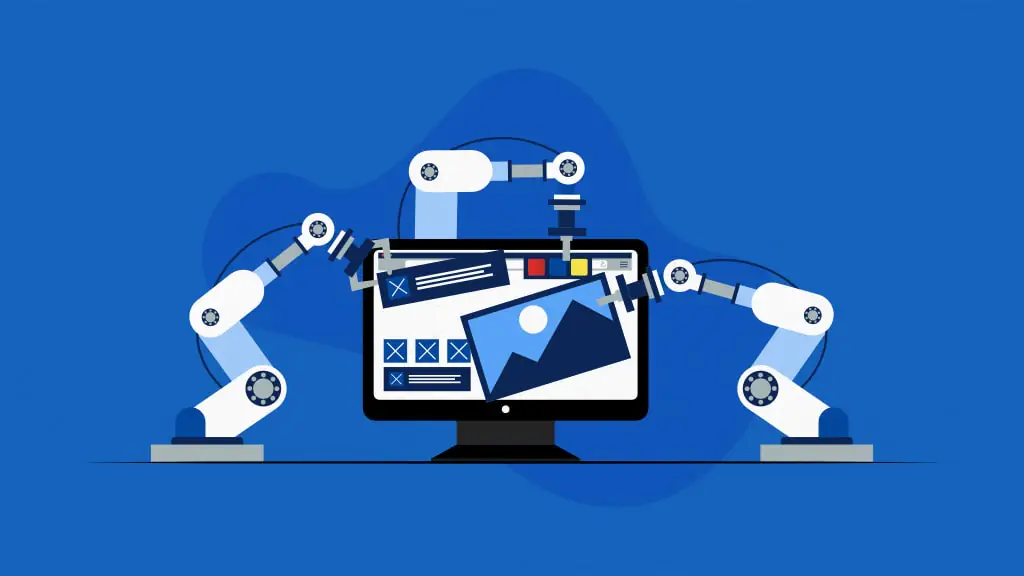
The line between simple and full automation isn’t technical—it’s practical. The question isn’t what can be automated, but what should be.
A Useful Rule of Thumb
If a task is:
● Repetitive but short-lived → simple automation
● Repetitive and long-term → consider full automation
● Complex with frequent changes → full automation
This mindset helps avoid unnecessary tool sprawl while still capturing the benefits of automation.
How Different Users Draw the Line?
Gamers, testers, and marketers often reach different conclusions—not because their needs differ wildly, but because their tolerance for complexity does.
Gamers prioritize ease and speed. Testers value reliability. Marketers seek flexibility. In each case, the “right” level of automation reflects the user’s goals, not the tool’s capabilities.
Why Simpler Often Wins?
Simple automation succeeds because it respects human involvement. It doesn’t aim to eliminate users from the process; it aims to reduce fatigue and distraction.
When automation supports, rather than replaces, human judgment, adoption becomes natural and sustainable.
Final Thoughts
The line between simple task automation and full automation tools isn’t fixed—it shifts with context. The smartest approach isn’t choosing one over the other, but knowing when to stop.
Automate what’s mechanical. Preserve what requires thinking. When that balance is right, automation feels less like a system and more like an assistant.