

Incremental games are built on accumulation. Progress comes from repeating actions, stacking bonuses, unlocking multipliers, and allowing numbers to grow steadily over time.
This steady climb is what makes the genre so satisfying. Watching small gains compound into massive growth creates a rewarding feedback loop that keeps players invested.
However, that same structure also creates long grinding sessions. These extended phases of repetition are not accidental—they are embedded into the genre’s design.
Whether farming resources, stacking damage, or building currency for the next prestige reset, players inevitably encounter periods where progress slows and repetition increases.
Experienced players don’t eliminate the grind—they make it easier to live with. Instead of fighting long grinding sessions, they learn how to manage them intelligently.
Table of Contents
Understanding the Nature of the Grind
Grinding in incremental games isn’t a flaw; it’s a feature. The grind establishes pacing. It gives upgrades meaning. It creates anticipation for resets and major multipliers. Without some level of repetition, exponential growth would feel instant and empty.
The challenge appears when long grinding sessions demand constant attention rather than strategic oversight. If progress requires nonstop auto clicking, micromanagement, or constant monitoring, fatigue sets in quickly. When players feel forced to stay active, enjoyment drops faster than progress increases.
Understanding that grind phases are intentional helps reframe them. Instead of seeing them as obstacles, experienced players treat them as background processes that require management—not endurance.
Shifting From Active Grinding to Managed Grinding
One of the most powerful adjustments players make is shifting from doing the grind to managing the grind. Active grinding involves constant clicking, checking numbers repeatedly, and reacting to every small change. Managed grinding, by contrast, relies on system awareness.
During long grinding sessions, most actions do not require immediate human input. Resource generators operate automatically. Damage accumulates passively. Currency stacks in the background. Instead of interfering constantly, experienced players step back.
They allow systems to operate while staying ready to intervene when it truly matters. This subtle shift transforms the experience. Grinding becomes less about effort and more about timing.
Knowing When Presence Matters
Not every moment in incremental games carries equal importance. Many phases of long grinding sessions are predictable and stable. Progress moves forward at a steady pace without needing adjustment.
Experienced players identify key thresholds:
- When enough currency is available for a major multiplier
- When an upgrade drastically improves scaling
- When diminishing returns begin to appear
- When prestige or reset becomes mathematically optimal
Outside of these checkpoints, presence adds little value. By interacting only at meaningful moments, players reduce strain while maintaining progress speed. This targeted involvement makes long grinding sessions far less exhausting.
Reducing Mechanical Effort During Repetitive Phases
Mechanical repetition is a major contributor to burnout. Clicking repeatedly, farming basic enemies, or maintaining damage per second through manual input rarely requires complex thinking.
During long grinding sessions, these mechanical actions often dominate playtime. Experienced players reduce this burden wherever possible. They rely on passive systems, built-in automation features, or structured play intervals.
By minimizing manual repetition, they preserve energy for strategic decisions. This separation between mechanical input and strategic oversight protects both physical comfort and mental clarity.
Grinding continues—but without unnecessary strain.
Breaking Sessions Into Intentional Checkpoints
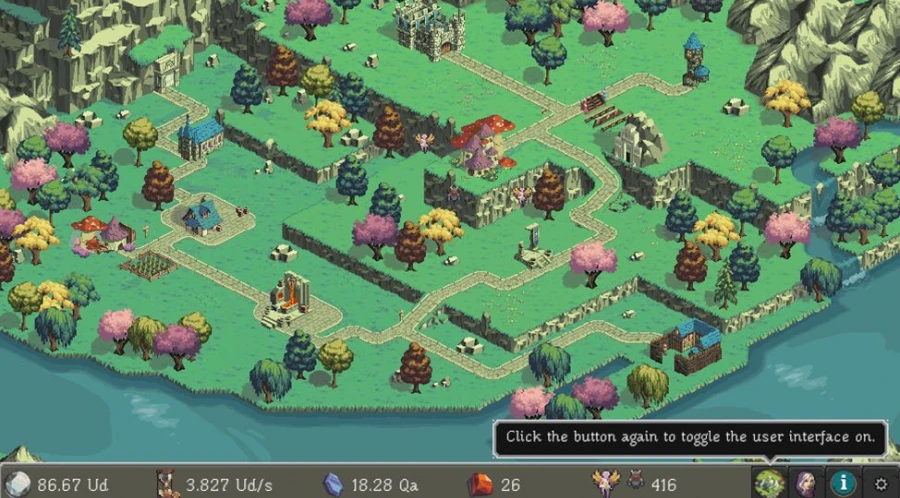
Another effective approach to handling long grinding sessions is dividing them into segments. Instead of treating grinding as a continuous marathon, experienced players establish intentional checkpoints.
These checkpoints typically involve:
- Evaluating upgrade efficiency
- Reviewing resource scaling
- Adjusting allocation priorities
- Deciding whether to push forward or reset
This structure adds rhythm to the grind. Rather than drifting through hours of passive accumulation, players engage in purposeful reviews. Segmenting long grinding sessions transforms them into manageable cycles instead of overwhelming stretches.
Managing Expectations During Slow Progress
Incremental games intentionally slow down at specific progression walls. These plateaus create tension and make breakthroughs feel earned. However, many players react to slow phases by increasing activity—clicking more, checking constantly, or forcing upgrades prematurely.
Experienced players accept that long grinding sessions are sometimes meant to feel slow. They understand:
- Plateaus are part of scaling
- Compounding growth takes time
- Not every session produces visible breakthroughs
This acceptance reduces frustration. Instead of battling slowdown, they allow compounding systems to do their work. Patience becomes a strategic tool.
Preserving Focus and Enjoyment
One overlooked method for handling long grinding sessions is adjusting the attention level. Not every grind phase requires full concentration. Many experienced players treat grinding as a background activity.
They may pair it with:
- Listening to music
- Watching videos
- Studying or working
- Engaging in low-effort secondary tasks
By lowering cognitive demand, long grinding sessions feel lighter and more sustainable. The game continues progressing, but mental energy remains available for other pursuits.
This balance prevents monotony from turning into burnout.
Avoiding Over-Engagement
Ironically, staying too engaged during long grinding sessions can reduce efficiency. Fatigue leads to rushed decisions. Impatience triggers premature resets. Over-monitoring creates unnecessary stress.
Experienced players recognize when attention becomes counterproductive. They step away deliberately, allowing systems to run uninterrupted. Often, returning after a break reveals more progress than constant oversight would have produced. Letting go—strategically—becomes part of mastery.
Adjusting Strategy as Progress Slows
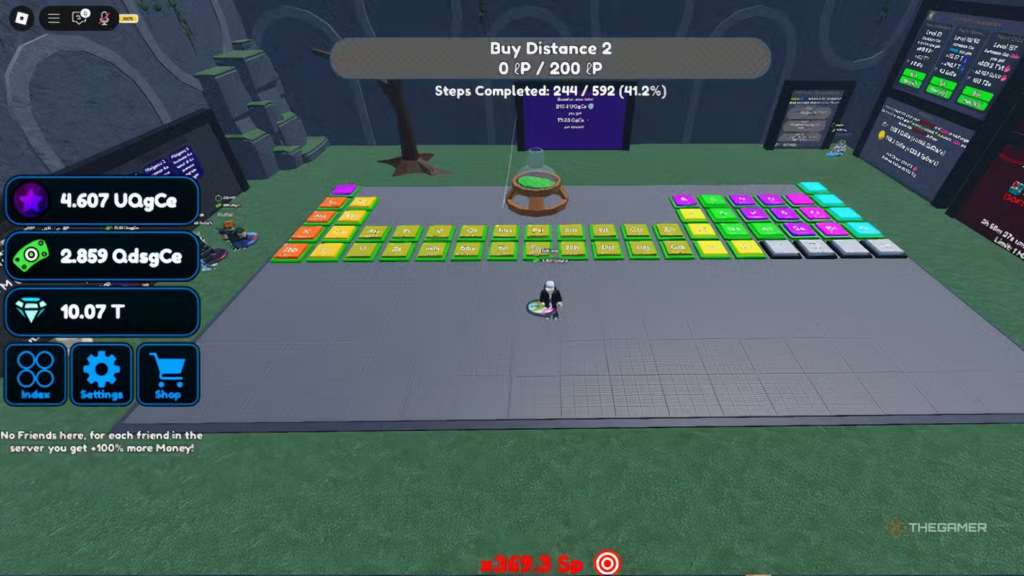
When gains begin diminishing significantly, pushing harder is rarely the solution. In many incremental systems, scaling eventually favors resets or system reconfiguration.
During extended, long grinding sessions, experienced players watch for signs such as:
- Upgrade costs are increasing faster than income
- Multipliers providing minimal incremental value
- Resource accumulation plateauing
At these moments, continuing the grind may waste time. Resetting, changing strategy, or reallocating resources often produces better long-term results. Recognizing the turning point separates efficient players from frustrated ones.
Making the Grind Sustainable
The ultimate goal isn’t to eliminate long grinding sessions. They are fundamental to incremental design. The goal is sustainability.
Sustainable grinding means:
- Reducing physical strain
- Managing mental energy
- Timing interventions carefully
- Accepting slow phases
- Avoiding emotional overreaction
Players who maintain sustainable habits progress faster over weeks and months than those who push intensely for short bursts. Consistency outperforms intensity. When handled thoughtfully, long grinding sessions become predictable, controlled phases rather than exhausting obstacles.
Developing a Long-Term Perspective
Incremental games reward cumulative growth. A single session rarely defines overall success. What matters is how systems compound over extended periods.
Experienced players view long grinding sessions within a broader timeline. They think in terms of:
- Total multiplier stacking
- Efficiency per reset cycle
- Long-term resource scaling
- Strategic compounding advantages
This perspective reduces impatience. Grinding feels less like a delay and more like an investment. Time itself becomes an ally.
Final Thoughts
Long grinding sessions are unavoidable in incremental games—but suffering through them isn’t. By shifting focus from constant action to thoughtful management, players transform grind-heavy phases into low-stress background progression.
In incremental games, the grind isn’t something to fight—it’s something to work around intelligently. And when approached with strategy and patience, even the longest grinding sessions become not a burden—but a pathway to exponential growth.