
AFK farming—short for “Away From Keyboard” farming—has become a core strategy in many modern games. It allows players to make progress without constant manual input, often by automating repetitive actions.
One of the most common tools associated with AFK farming is the Auto Clicker. But while automation can be helpful, it isn’t universally welcome.
This article AFK Farming Explained, how auto clickers fit into it, and which types of games actually benefit from auto clickers without putting players at risk.
Table of Contents
What is AFK Farming?
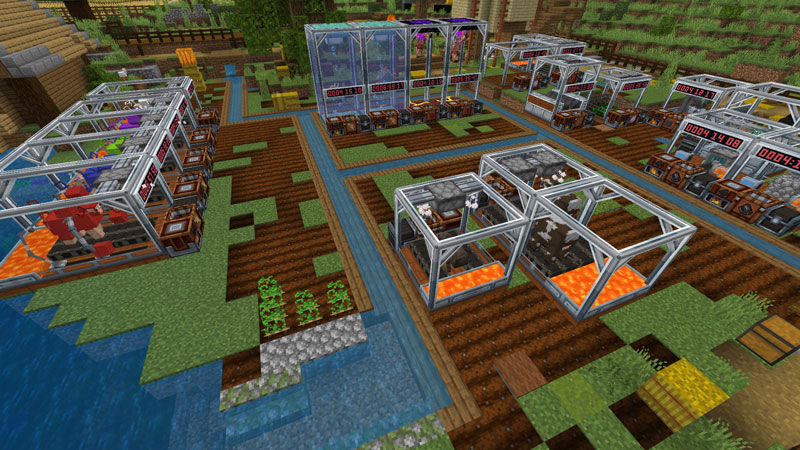
AFK Farming Explained refers to gaining in-game resources, experience, or progress while not actively playing. It typically relies on:
- Repetitive, low-skill actions
- Long grind cycles
- Predictable mechanics
AFK farming is most effective in games designed to reward time investment rather than constant player input.
The Role of Auto Clickers in AFK Farming
Why Auto Clickers Are Used
Auto clickers simulate consistent input, making them ideal for:
- Repeated clicking or tapping
- Maintaining activity timers
- Preventing idle timeouts in permitted contexts
When used appropriately, auto clickers reduce fatigue and improve efficiency during long sessions.
Games Where Auto Clickers Actually Help
1. Idle and Incremental Games
Idle games are the most natural fit for AFK farming.
Examples:
- Cookie Clicker–style games
- Incremental RPGs
- Resource accumulation simulators
In these games:
- Repetition is intentional
- Automation aligns with design philosophy
3 Players are rewarded for optimization
Auto clicker effectiveness: Very High
Risk level: Very Low
2. Single-Player Offline Games
Many offline or single-player games include grind-heavy mechanics.
Auto clickers help with:
- Resource farming
- Repetitive crafting
- Early-game progression
Since no other players are affected, developers rarely penalize automation.
Auto clicker effectiveness: High
Risk level: Low
3. Casual Browser Games
Browser-based games with minimal competition often tolerate light automation.
Auto clickers can:
- Speed up repetitive UI actions
- Support AFK progression
- Reduce strain during long sessions
However, games with leaderboards or online economies may still impose limits.
Auto clicker effectiveness: Medium–High
Risk level: Low–Medium
4. Idle Mobile Games
Many mobile idle games are designed with automation in mind.
Auto clickers can:
- Replace repetitive tapping
- Maintain consistent progression
- Improve battery-efficient farming when configured properly
These games often already include partial automation, making external tools less risky when used subtly.
Auto clicker effectiveness: High
Risk level: Low
Games Where AFK Farming Is Risky

Competitive Multiplayer Games
Games like:
- Fortnite
- PUBG
- Free Fire
- Call of Duty
Actively discourage AFK Farming Explained and automation.
Auto clickers in these games:
- Disrupt competitive balance
- Trigger anti-cheat systems
- Lead to account bans
Auto clicker effectiveness: Low
Risk level: Very High
MMORPGs with Active Economies
Many MMORPGs allow limited idling but ban third-party automation.
AFK Farming Explained using auto clickers is often considered:
- Botting
- Exploitation
- A violation of the terms of service
Auto clicker effectiveness: Situational
Risk level: Medium–High
Why Auto Clickers Work Better in Some Games?
Game Design Philosophy
Auto clickers help most when:
- Progress is time-based
- Mechanics are predictable
- Developers expect long idle sessions
They work poorly when:
- Player skill determines outcomes
- PvP balance matters
- Real-time decision-making is central
Best Practices for AFK Farming Explained with Auto Clickers
1. Keep Automation Subtle
- Use moderate click speeds
- Avoid perfect, robotic intervals
- Don’t automate everything
Subtle automation blends better with intended gameplay loops.
2. Match the Tool to the Game
Experienced players often choose lightweight auto clickers with:
● Stable long-session performance
● Adjustable intervals
● Simple hotkey controls
These features are especially useful for AFK farming in idle or offline games, where reliability matters more than aggressive optimization.
3. Monitor Performance
AFK farming still requires occasional oversight:
- Check for crashes
- Monitor resource caps
- Save progress regularly
Automation works best when supervised periodically.
Common AFK Farming Mistakes
Assuming All Games Allow It: Just because AFK Farming Explained works in one game doesn’t mean it’s allowed in another.
Over-Automation: Excessive automation can –
- Break progression balance
- Reduce enjoyment
- Cause technical issues
AFK farming should support progress, not remove engagement entirely.
Is AFK Farming Explained Cheating?
It depends on the game.
- In idle and single-player games: usually no
- In competitive or economy-driven games: often yes
Always evaluate AFK Farming Explained through the lens of game rules and community standards.
Final Thoughts
AFK farming is a powerful strategy when used in the right context. In idle games, offline titles, and casual browser games, auto clickers genuinely help by reducing repetition and improving comfort. In contrast, competitive and multiplayer environments treat automation as a violation.
The key to successful AFK Farming Explained is understanding where automation belongs. When used thoughtfully and within acceptable boundaries, auto clickers can turn long grinds into smooth, stress-free progression—letting you advance even when you step away from the keyboard.