
At first glance, gamers, software testers, and digital marketers seem to live in completely different worlds. One group chases high scores, another hunts bugs, and the third optimizes conversions.
Yet beneath these very different goals lies the same invisible problem: excessive, repetitive clicking. What differs isn’t the problem itself, but how each group approaches solving it.
Table of Contents
The Common Enemy: Repetitive Interaction
Repetitive clicking occurs when a task follows fixed rules but still requires manual input. It’s the kind of work that requires attention without creativity—and that combination is where productivity quietly breaks down.
Whether it’s auto clicking to farm resources, retesting a user interface, or triggering the same campaign actions, the pattern is always the same: humans doing work better suited for machines.
Gamers: Turning Endurance Into Efficiency
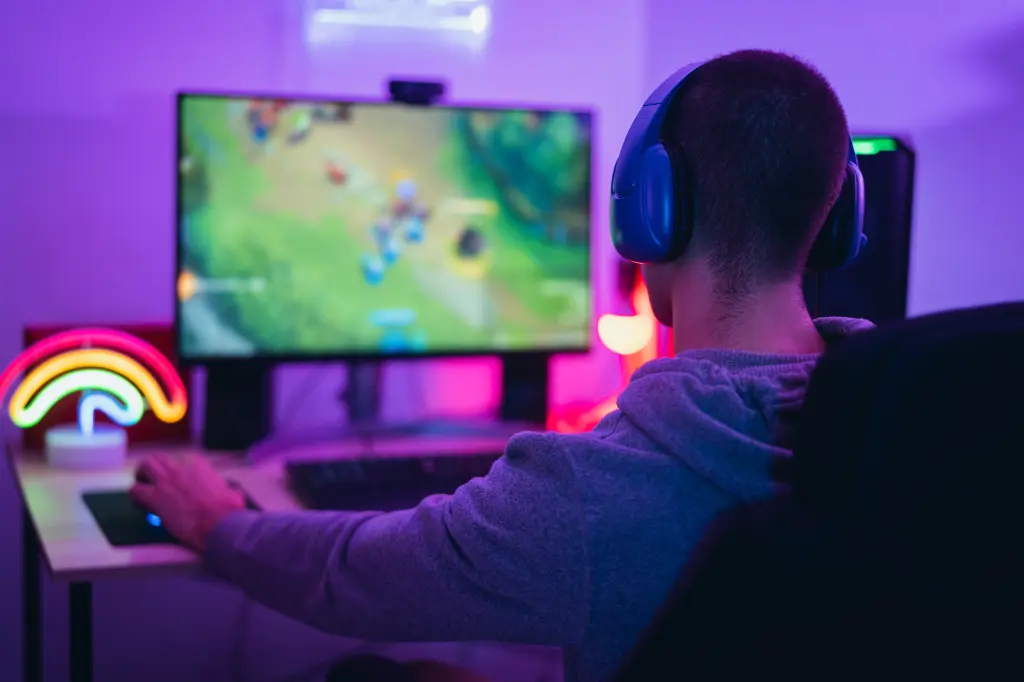
For gamers, repetitive clicking often shows up in grinding, farming, or idle mechanics. Clicking becomes a test of patience rather than skill, especially in games designed around time-based progression.
From Grinding to Optimization
Experienced gamers quickly realize that success isn’t about clicking faster—it’s about clicking smarter. Automation becomes a way to:
● Maintain consistent input over long sessions
● Reduce physical fatigue during extended play
● Focus attention on strategy rather than mechanics
In this context, automation doesn’t remove challenge; it removes monotony.
Testers: Seeking Consistency Over Speed

Software testers face a different version of the same problem. Reproducing bugs, validating fixes, and verifying UI behavior often requires repeating identical actions across builds and environments.
Why Manual Clicking Fails at Scale?
Manual testing breaks down when repetition increases. Fatigue leads to missed steps, inconsistent results, and unreliable outcomes. Click automation helps testers maintain precision without draining focus.
Instead of clicking through the same workflow dozens of times, testers can concentrate on observing outcomes—where human judgment is actually needed.
Marketers: Eliminating Mechanical Overhead
Marketers rarely talk about clicking, yet their workflows are filled with it. Launching campaigns, toggling settings, reviewing dashboards, and testing variations often involve predictable sequences of clicks.
Protecting Creative Energy
For marketers, repetitive clicking interaction isn’t just a time issue—it’s a creativity issue. Mechanical tasks interrupt thinking and break strategic momentum. Automating routine interactions helps keep attention where it belongs: on messaging, audience behavior, and performance analysis.
The goal isn’t automation for its own sake, but removing friction from the decision-making process.
One Problem, Three Mindsets
Although gamers, testers, and marketers use automation differently, their motivations align more than they realize.
● Gamers want endurance without exhaustion
● Testers want accuracy without inconsistency
● Marketers want focus without distraction
In every case, the solution involves reducing manual repetition so humans can operate at their strengths.
Why This Clicking Problem Persists?
Repetitive clicking survives because it’s familiar. People accept it as “part of the process,” especially when each action seems trivial on its own. Over time, these small inefficiencies compound into fatigue, errors, and lost productivity.
Automation challenges this assumption by asking a simple question: does this action really need a human?
The Real Value of Click Automation
The biggest misconception about click automation is that it replaces effort. In reality, it redirects effort. By handling predictable actions, automation frees users to focus on timing, judgment, and strategy.
Across gaming, testing, and marketing, the pattern is clear:
● Machines handle repetition
● Humans handle decisions
When those roles are respected, performance improves naturally.
Final Thoughts
Gamers, testers, and marketers may operate in different environments, but they all confront the same clicking problem. The most effective among them don’t click harder—they click less.
By recognizing repetitive clicking interaction as a shared challenge rather than a personal burden, each group finds smarter ways to work, play, and create. In the end, the solution isn’t industry-specific—it’s human.